

28,500 days: The long genocide.
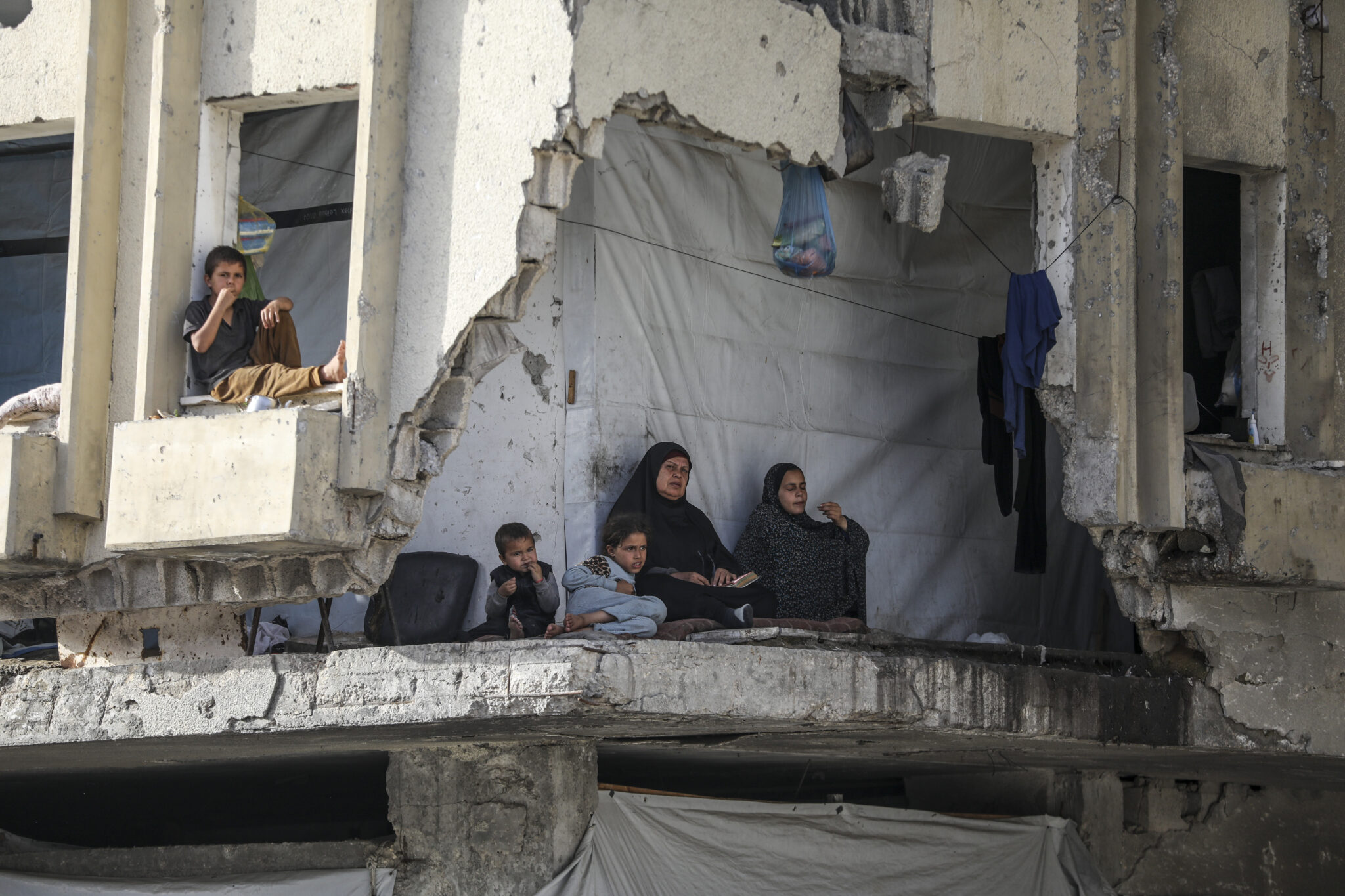
On May 15, Palestinians around the world commemorated the 78th anniversary of the Nakba, when Zionist militias expelled 750,000 Palestinians from their homes, killed thousands, and destroyed hundreds of villages and cities between 1947-1949.
This is the mass displacement upon which the state of Israel was established in 1948. But the Nakba isn’t an event that began and ended 78 years ago. It is a century-long crusade to annihilate Palestinian life: the long genocide.
The day before Nakba commemorations is the Israeli flag march — a yearly “celebration” of the illegal Israeli occupation of East Jerusalem. Thousands of Israelis rampaged through the Muslim quarter of Jerusalem’s Old City, attacked passersby, and chanted about killing Arabs and burning their villages. Israeli National Security Minister Itamar Ben Gvir was captured on video storming the Al Aqsa mosque courtyard with a group of Israeli settlers, dancing and waving an Israeli flag as Israeli police looked on.
The dispossession of Palestinians isn’t just a racist rallying call for Israeli extremists: It is a daily reality for Palestinians across historic Palestine, one that is baked into the Israeli state’s treatment of Palestinians at every level.
The day Ben Gvir and thousands of Israelis tore through Jerusalem, Israeli forces shot and killed 16-year-old Fahd Zidan Owais. A day before, the Israeli military shot and killed 16-year-old Yusef Ali Kaabnah while he tried to defend his family’s sheep from a mob of Israeli settlers. In Gaza, the Israeli military has killed over 72,000 Palestinians and forced over two million to flee their homes. An American Jew from Brooklyn told +972 at Thursday’s “flag march” that he hoped Palestinians currently being displaced would never be able to return home: “It’s very sad to me that after the [1967] war Arabs were allowed back — that was a big mistake, and I hope they won’t make those mistakes in Gaza and in Lebanon.”
Recognizing that the Nakba never ended, last Thursday Rep Rashida Tlaib — the only Palestinian American in Congress — reintroduced a resolution that acknowledges Israel’s ongoing dispossession of Palestinians:
“Today, the Israeli apartheid regime is committing genocide in Gaza, violently erasing entire communities across the occupied West Bank and Jerusalem, and bombing Palestinian refugee camps in Lebanon. It is a campaign to erase Palestinians from existence.”
Digging through the rubble with bare hands
While tens of thousands are forced to flee their homes in the West Bank due to settler and Israeli military incursions, millions in Gaza fight to survive the ongoing genocide, unclear if they will ever be allowed to return to their homes.
With heavy equipment still blocked from entering Gaza, Palestinians like Mahmoud Khilla have been forced to dig through the rubble with their bare hands in the hopes of retrieving the bodies of their loved ones. Khilla’s entire family was killed in an Israeli strike on his apartment building in 2023, nearly 30 months ago. Today, his hands are bloody as he methodically breaks away at packed concrete, using broken shovels, sledgehammers, and his own hands.
During the course of the genocide, the Israeli military killed and imprisoned hundreds of medical professionals and deliberately destroyed dozens of hospitals, leading to a complete collapse of the healthcare system. Today, 12-year-old Jana Al-Hajj, paralyzed from the waist down, is losing hope of recovery. Now unable to walk, Jana’s father pushes her on a bicycle to go to physical therapy appointments. But without a single functioning MRI machine left in Gaza, Jana’s doctors are out of answers — and in the absence of a proper diagnosis, Jana will never be allowed to seek medical treatment abroad, a privilege afforded to a lucky few.
Despite these horrors, Palestinians are choosing to rebuild with the resources at their disposal. Amid the intentional destruction by Israel of nearly all of Gaza’s cultural centers, libraries, and universities, last month Palestinians in Gaza opened the aptly-named “Phoenix library” in Gaza City, now a refuge for college students whose university libraries have been reduced to rubble:
“Luckily, we were able to retrieve books from under the rubble of private and university libraries. Other books belonged to people who were martyred during the war and were donated to us by their families.”
Rebuilding on quicksand
As land theft and Israeli violence only escalate, Palestinians are rebuilding their lives on quicksand, facing down a genocidal Israeli state that has been trying to erase them from existence for the last 100 years.
In March, the Israeli government quietly approved 34 illegal Israeli settlements — the largest number of illegal settlements ever approved at one time. That’s in addition to the 60+ illegal settlements that the current Israeli government has approved in the last three years. In the 30 years before the current administration took power, a mere six settlements were approved by various Israeli governments.
In an instant, land painstakingly cultivated and defended for years by Palestinians was formally handed over to Israeli settlers. Now, Mustafa Badaha of Deir Ammar can no longer step foot on the land where he once built a summer home for his family to gather, nor can he access the rows of olive trees he spent years caring for.
““Everything is legal—I have permits—but it makes no difference. A settler comes and simply says, ‘This is my land. You have no place here.’”
Thousands of miles away, two NYC synagogues hosted the “Great Israeli Real Estate Event” on May 5 and 11 for the purpose of auctioning off stolen Palestinian land. This is a blatant violation of international law. It’s also not the first event of its kind; similar “expos” have been hosted in Baltimore and New Jersey — and another is scheduled to take place in Manhattan later this month.
Take Action: Fund people, not bombs.
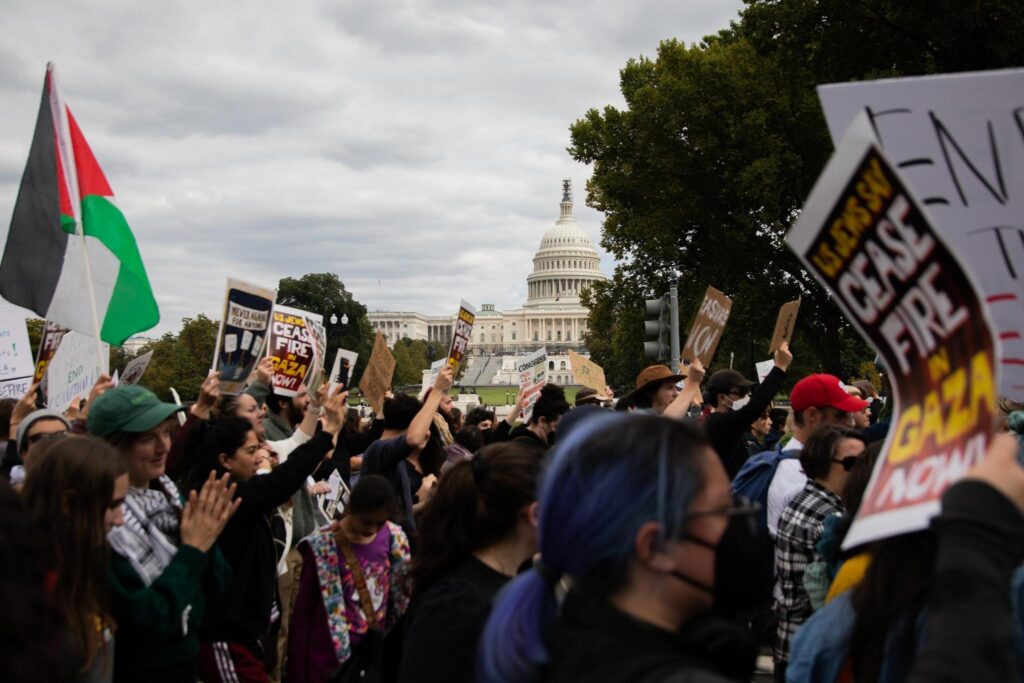
Email Congress now and tell them to stop funding Israel’s ongoing genocide.
What we’re watching: “A handful of soil”
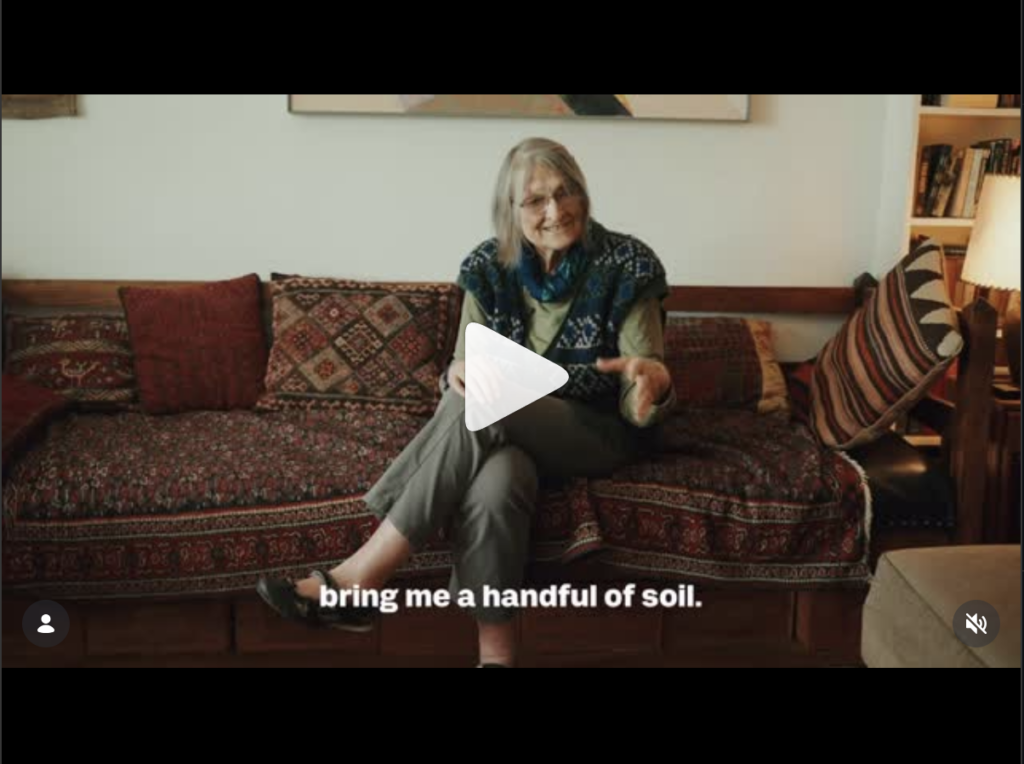
Inea, a New Yorker and Nakba survivor, tells her family’s story of the Nakba in this video from NYC Mayor Zohran Mamdani.
What we’re reading
1. In this piece for Drop Site, Murtaza Hussain lays out the San Jose-based Cisco Systems’ “deep and growing collaboration” with the Israeli military, as revealed by whistleblowers.
2. Akela Lacy writes for The Intercept about the anonymous FBI tip that preceded the arrest of Palestinian activist Mahmoud Khalil — and the Trump administration’s insistence on labeling him a threat even after the FBI closed its investigation.
3. In this article for The Intercept, Adam Johnson dissects the mainstream media’s bias against Palestinians.

The Wire is one of the largest U.S. publications dedicated to justice. Every week, we cover important news from Palestine, the United States, and the Palestine solidarity movement — and provide ways to take action.


Get The Wire
Every week, the Wire reaches tens of thousands with critical news and analysis from Palestine, the United States, and the Palestine solidarity movement — and provides ways to take action.